
Your home is about to undergo a major renovation. You’re excited about the open-concept kitchen, but then your contractor says, We’ll need a structural engineer. You pause. What does that even mean? And why is it necessary?
A residential structural engineer is a licensed professional who ensures your home is safe, stable, and built to code.
Think of them as the doctor for your home’s skeleton, they analyze the bones (foundation, walls, beams) and make sure they’re healthy enough to support everything above them. This guide explains who they are, what they do, and when you need one.
What Actually is a Residential Structural Engineer?
A residential structural engineer is a licensed Professional Engineer (PE) specializing in the design and analysis of home structural systems.
Their job is to ensure that every beam, column, and foundation meets building codes and safely handles the forces acting on your home.
Key distinction: They focus exclusively on structural integrity, not on how your kitchen looks or where your bathroom sits. That’s the architect’s job. The structural engineer’s job is making sure it doesn’t fall down.
Design and Analysis Services
Residential structural engineer create detailed designs for home projects. They calculate how much weight various components can handle (dead loads from the structure itself, live loads from people and furniture, and environmental loads from wind and snow).
They then specify materials wood, steel, or concrete and create detailed drawings showing exactly how everything connects.
Problem-Solving and Inspections
When problems arise, engineers diagnose the issue. They inspect foundation cracks, assess settling, evaluate water damage, and recommend solutions. They don’t just identify problems; they design engineered solutions that bring your home back to safety and code compliance.
How is a Residential Structural Engineer Different From Other Professionals?
Definition: Before diving into specific projects, you need to understand how a structural engineer differs from the professionals you might also hire. This clarification prevents confusion and ensures you hire the right person.
Versus an Architect
An architect designs how your space looks and functions. They create the aesthetic vision. A residential structural engineer designs how to build that vision safely. Architects think about flow and beauty; structural engineers think about physics and safety. You typically need both for complex projects the architect designs the dream, the engineer makes it structurally possible.
Versus a Home Inspector
A home inspector looks at everything in your house during a purchase and identifies issues. A structural engineer goes deep into structural concerns and solves them. If a home inspector finds a foundation crack, you hire a structural engineer to diagnose why it happened and design a fix.
Versus a General Contractor
The contractor builds according to the plans. The structural engineer creates those plans. They’re complementary, the engineer designs it, the contractor builds it. You cannot substitute one for the other.
When Do You Actually Need a Residential Structural Engineer?
Knowing when to hire a structural engineer saves money and prevents safety issues. Some situations require it by law; others are highly recommended.
Situations Requiring Engineers (By Law)
New Construction: Every new home requires structural design and engineer approval. The building department won’t issue a permit without stamped structural plans from a licensed PE.
Load-Bearing Wall Removal: Removing any wall that carries the weight of the structure above is the most common residential project requiring an engineer. The engineer determines if the wall is load-bearing, then designs a beam to carry those loads safely.
Additions and Expansions: A second story, new room, or converted garage space requires structural analysis to ensure the foundation can handle additional weight and new loads are properly distributed.
Deck Installation: Most jurisdictions require PE-designed decks rated for proper loads. Your backyard entertaining space must meet code.
Situations Where Engineers Are Highly Recommended
Foundation issues (cracks, settlement, bowing walls), sagging floors or ceilings, major renovations affecting structure, home purchases (pre-purchase inspection), and after severe weather or damage all benefit from professional assessment.
Red flags requiring immediate attention: Foundation cracks wider than 1/4 inch, inward-bowing basement walls, doors/windows sticking, visible shifting, or evidence of water damage or termites.
What Qualifications Should a Residential Structural Engineer Have?
Before hiring, verify that your engineer has legitimate credentials. These aren’t optional, they’re proof of competence and legal responsibility.
The Professional Engineer License
The most important credential is a Professional Engineer (PE) license from your state. This means they have a bachelor’s degree in engineering, passed a difficult PE exam, and have 4+ years of professional experience. They’re also subject to state licensing board oversight and must carry professional liability insurance.
How to Verify Credentials
Check your state’s engineering licensing board website to confirm the license is current and in good standing. Verify they have professional liability insurance. Ask about continuing education credits, the field changes, and qualified engineers stay updated on new codes and standards.
What Are the Common Projects Residential Structural Engineers Handle?
Real-world examples show exactly what engineers do and how they add value to different home projects.
Load-Bearing Wall Removal
This is the most common service. A homeowner wants an open floor plan, but a wall blocks it. The engineer determines if it’s actually load-bearing, calculates the loads from the structure above, sizes an appropriate beam to carry those loads, and specifies where columns must go. Cost: $1,500-$5,000. Timeline: 2-4 weeks. Without an engineer, you risk structural collapse.
Home Addition (Second Story)
Adding a second floor requires structural calculations to verify the foundation can handle the additional weight, design the new floor structure to connect properly, integrate the roof, and ensure all connections meet code.
Cost: $3,000-$8,000. Timeline: 4-6 weeks. The engineer prevents foundation overload and ensures structural stability for decades.
Foundation Repair
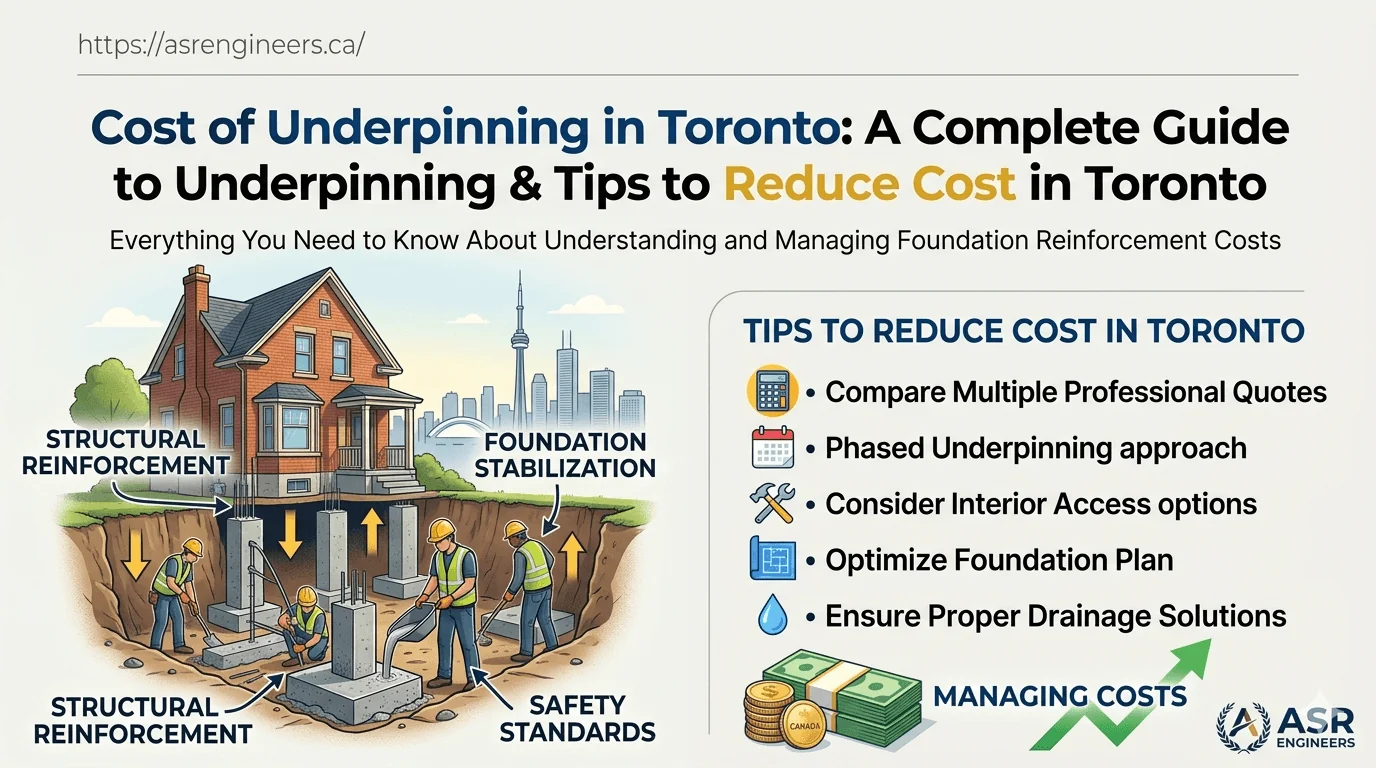
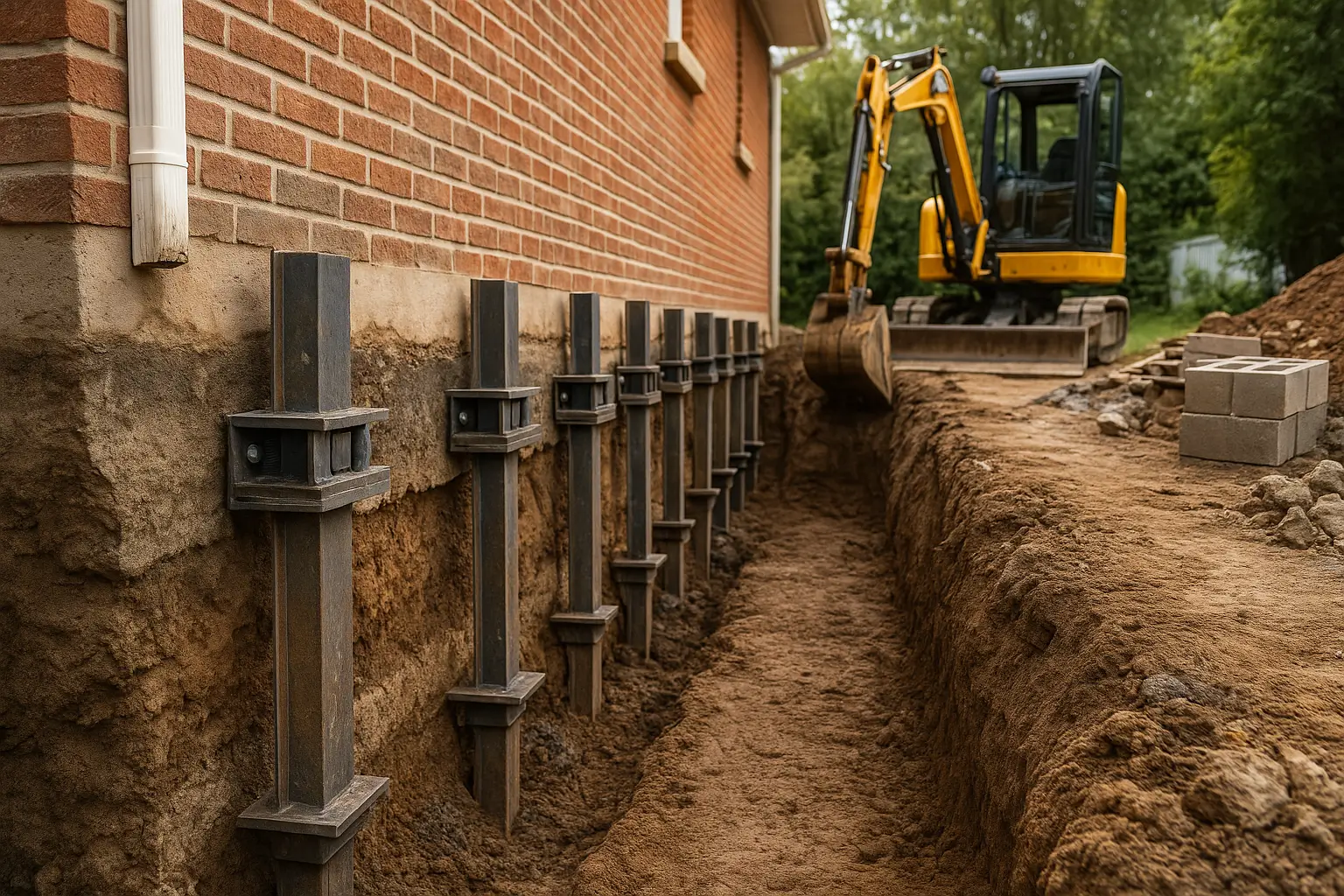
Visible cracks or settlement trigger foundation investigation. The engineer conducts soil testing, determines why the foundation is failing, and designs an underpinning or reinforcement system. Cost: $2,000-$10,000. Timeline: 3-8 weeks. Early intervention prevents catastrophic failure.
Deck Design
Most people don’t realize decks require engineering, but code does. The engineer designs the structure for the loads it will carry (people, furniture, snow), specifies materials, designs connections, and provides stamped plans for the building department. Cost: $800-$2,500. Timeline: 2-3 weeks. Proper design prevents deck collapse.
How Much Does Hiring a Residential Structural Engineer Cost?
Understanding costs and what affects them helps you budget appropriately and recognize value.
What Affects Your Cost?
Project complexity matters most. A simple design costs less than a complex one. Site investigation needs affect cost, if soil testing is required, it adds expense.
Geographic location impacts pricing (urban areas typically cost more). Whether existing drawings exist saves time and money. Timeline urgency increases costs.
Is It Worth It?
A good structural design costs 3-5% of project cost. It prevents expensive construction mistakes, ensures proper design before construction begins, and protects your investment. Finding a flaw on paper is a simple fix; discovering it after framing is built requires costly tear-downs.
How Do You Find and Hire the Right Residential Structural Engineer?
A structured hiring process ensures you get a qualified, reliable engineer who matches your project needs.
Getting Started
Ask your contractor, architect, building department, or recent renovation neighbors for referrals. Check professional associations like ASCE or local structural engineer associations. Verify PE licenses through your state licensing board. Get written quotes from 2-3 engineers, ensuring they address the same scope.
Vetting Your Candidates
Review their portfolio and experience. Ask about similar projects they’ve completed. Check references contact previous clients about quality, communication, and professionalism. Interview top candidates about turnaround time, construction phase oversight, and communication style.
Signing an Agreement
Ensure your contract clearly defines scope of work, deliverables, timeline, costs, revision policies, and insurance coverage. A good contract protects both parties.
Why Residential Structural Engineers Matter
A residential structural engineer is your investment’s protector. They ensure homes are safe for your family, stable for decades, and compliant with regulations that exist for good reason.
Whether you’re building new, adding space, removing walls, or addressing structural damage, a qualified engineer prevents costly failures and provides peace of mind.
Don’t cut corners on structural engineering. The cost of a good engineer is minimal compared to the cost of structural failures, safety hazards, or permit rejections.
Final Thoughts
Investing in a residential structural engineer is investing in your home’s future. They’re not an expense, they’re insurance.
From the moment you dream of removing a wall to the day you discover foundation cracks, structural engineers solve problems and prevent disasters. They ensure your family lives safely, your investment appreciates, and your home stands strong for generations.
The cost is modest, the value is immense, and the peace of mind is priceless. Don’t gamble with your home’s structural integrity. Hire the right engineer today.